
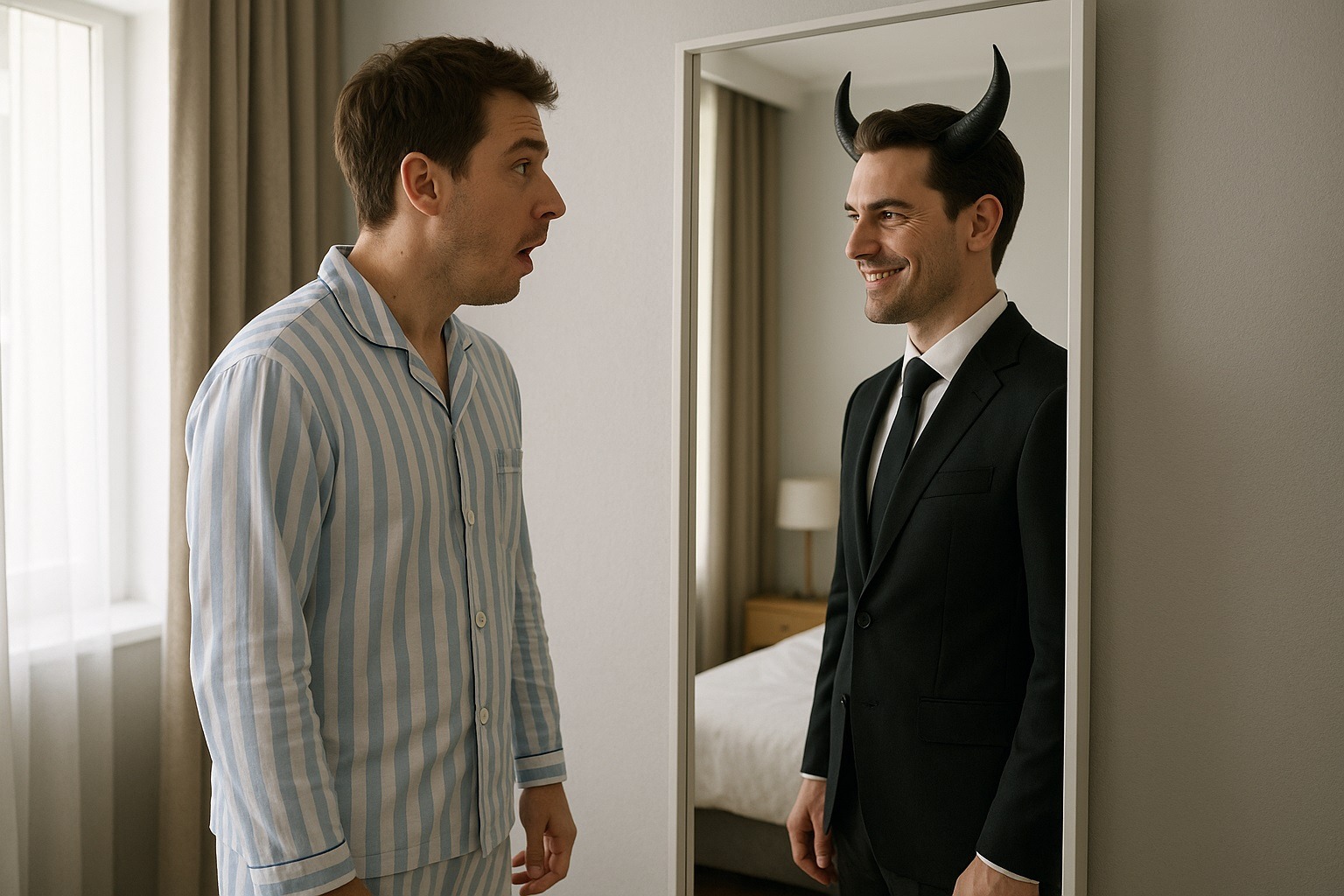
Sleep paralysis can be frightening, or it can be a portal to out-of-body experiences. That’s the suggestion made by British researcher Catherine Coubrough-Smith, who is confident that sleep paralysis is an opportunity for development, not an anomaly, and that the frightening hallucinations (demons, shadows) are a reflection of one’s internal fears.
The author describes two techniques, which were tested on two patients:
1. Performing breathing exercises to mentally scan one’s body, emotions, and subtle energies while perceiving all sensations without judgment or analysis. This leads to a profound sense of presence and harmony.
2. Recreating an episode of sleep paralysis. When a person does this, the coach asks questions to extract the smallest details, including those held by the subconscious.
The author believes these techniques help people re-experience and reframe sleep paralysis episodes, reduce fear, and create conditions conducive to natural out-of-body experiences. Ultimately, the boundaries between body and consciousness blur. The person accepts their fears and limitations, moving away from a narrow perception of immediate danger. Both patients who participated in the study stopped fearing such episodes and began to look forward to them with curiosity.
Have you ever used sleep paralysis to transition to other phase states (e.g., lucid dreaming, out-of-body experiences)? What techniques did you use?
The article was published in July 2025 in The Transpersonal Coaching Psychology Journal.
Get all the latest news about lucid dreams via our channels on Telegram, Facebook, Twitter


