
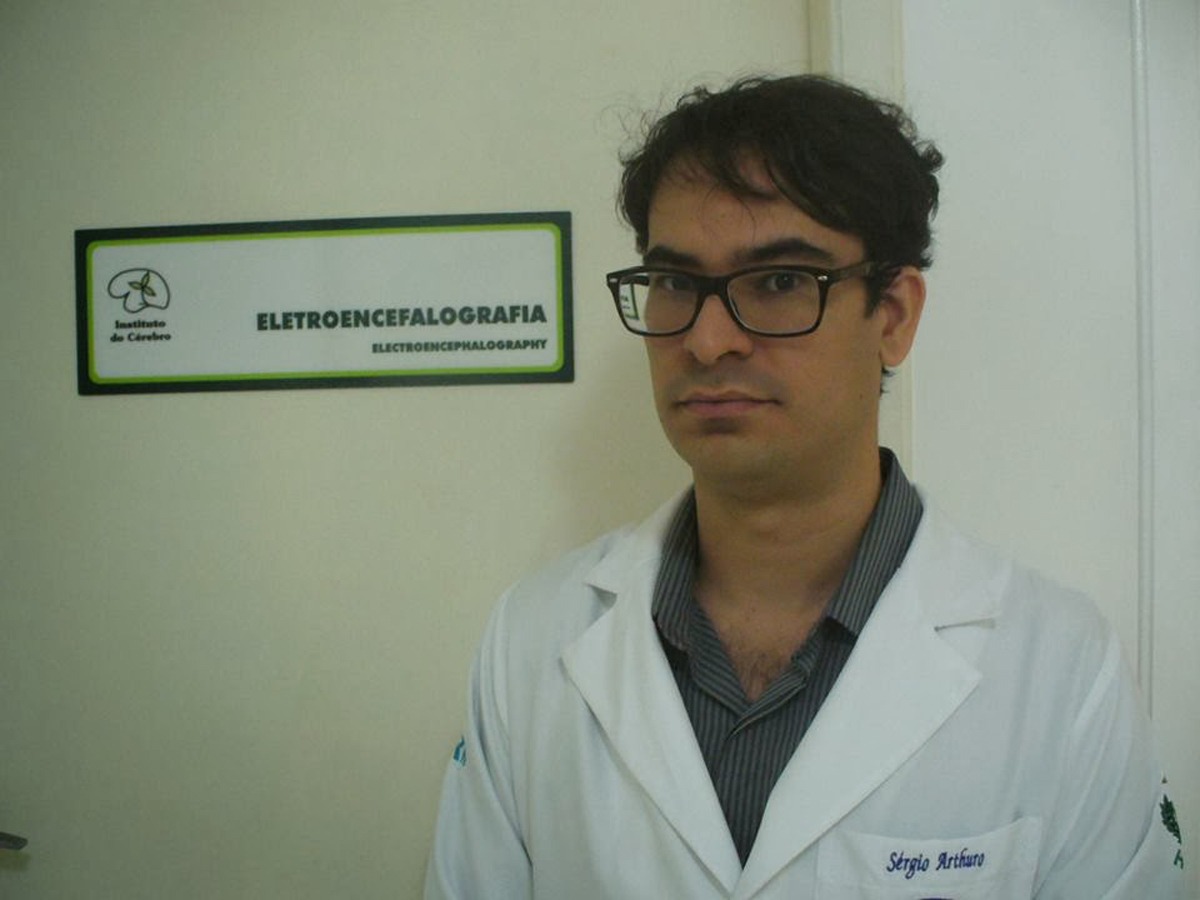
Sergio Arthuro Mota-Rolim is a research collaborator at the Brain Institute and the Sleep Laboratory of the Onofre Lopes Hospital at the Federal University of Rio Grande do Norte (Brazil). The researcher is engaged in the study of dreams, lucid dreams, and altered states of consciousness.
In his 2012 doctoral dissertation, Mota-Rolim conducted a study on 3,427 volunteers in which he showed that lucid dreaming is a relatively common experience, albeit often elusive and difficult to manage. While there are some differences among Europeans, Asians, North Americans, and Latin Americans, the author concluded that lucid dreaming is a universal phenomenon. It is quite difficult to provoke lucid dreams, but it is possible using the suggestion technique, as shown in the case of one participant. The EEG signals of this person showed bursts of alpha brain rhythms, and these were not observed in any other participants.
In recent studies, Mota-Rolim has emphasized that lucid dreaming can aid the treatment of nightmares and other psychological disorders. He also touched on religious and philosophical issues, noting that Abrahamic religions (Judaism, Christianity, and Islam) consider dreams to be a way of communicating with God. Moreover, traditional Indian religions (Buddhism and Hinduism) have even developed special methods to stimulate lucidity.
Over the past year, Mota-Rolim and his colleagues have discovered that during lucid dreams, beta-band activity decreases in the right parietal region, which is responsible for spatial orientation and self-perception, while gamma-band activity increases in the temporo-occipital region. Most interestingly, the “communication” between different brain regions intensifies at the alpha frequency, as if they are beginning to communicate better with each other.
What direction for new lucid dreaming research would you suggest?
The scientist’s works are available on Google Scholar.
Get all the latest news about lucid dreams via our channels on Telegram, Facebook, Twitter


