
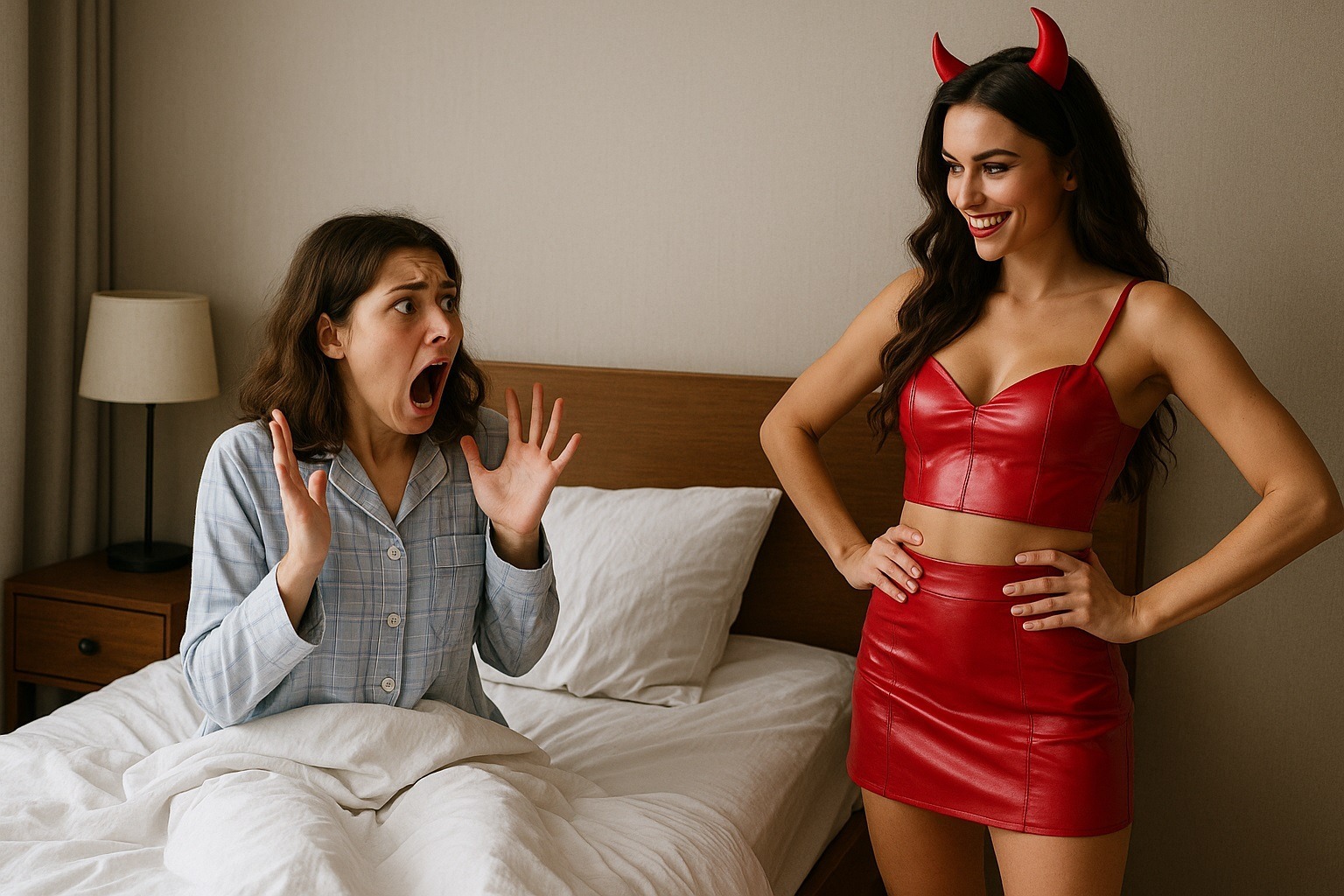
The female hormonal cycle influences sleep paralysis and hypnagogic hallucinations. This conclusion was reached by Dutch researchers led by M. Vringer, who surveyed 180 women with narcolepsy or hypersomnia. They found that frightening hallucinations upon waking were more likely to occur during or just before menstruation, which suggests that sleep paralysis is triggered by fluctuations in estrogen and progesterone levels.
However, the hormonal influence manifests differently depending on the individual. For instance, women with type 1 narcolepsy reported no change in the frequency of sleep paralysis after menopause. This implies that the specific course of the condition and the way hormones interact with different types of narcolepsy may play a key role. In other words, the link between hormones and sleep paralysis is complex.
On the other hand, women with type 2 narcolepsy and idiopathic hypersomnia did report changes in the frequency of sleep paralysis during menopause. However, this outcome requires further study to fully understand how hormonal shifts impact this phenomenon. It’s important to note that the study focused on women already experiencing sleep disorders, and the results only apply to that group.
Have you noticed—whether in your own experience or in that of others—how hormonal fluctuations affect phase states (sleep paralysis, lucid dreams, and the like)?
The article was published in May 2025 in Sleep Medicine.
Get all the latest news about lucid dreams via our channels on Telegram, Facebook, Twitter


