
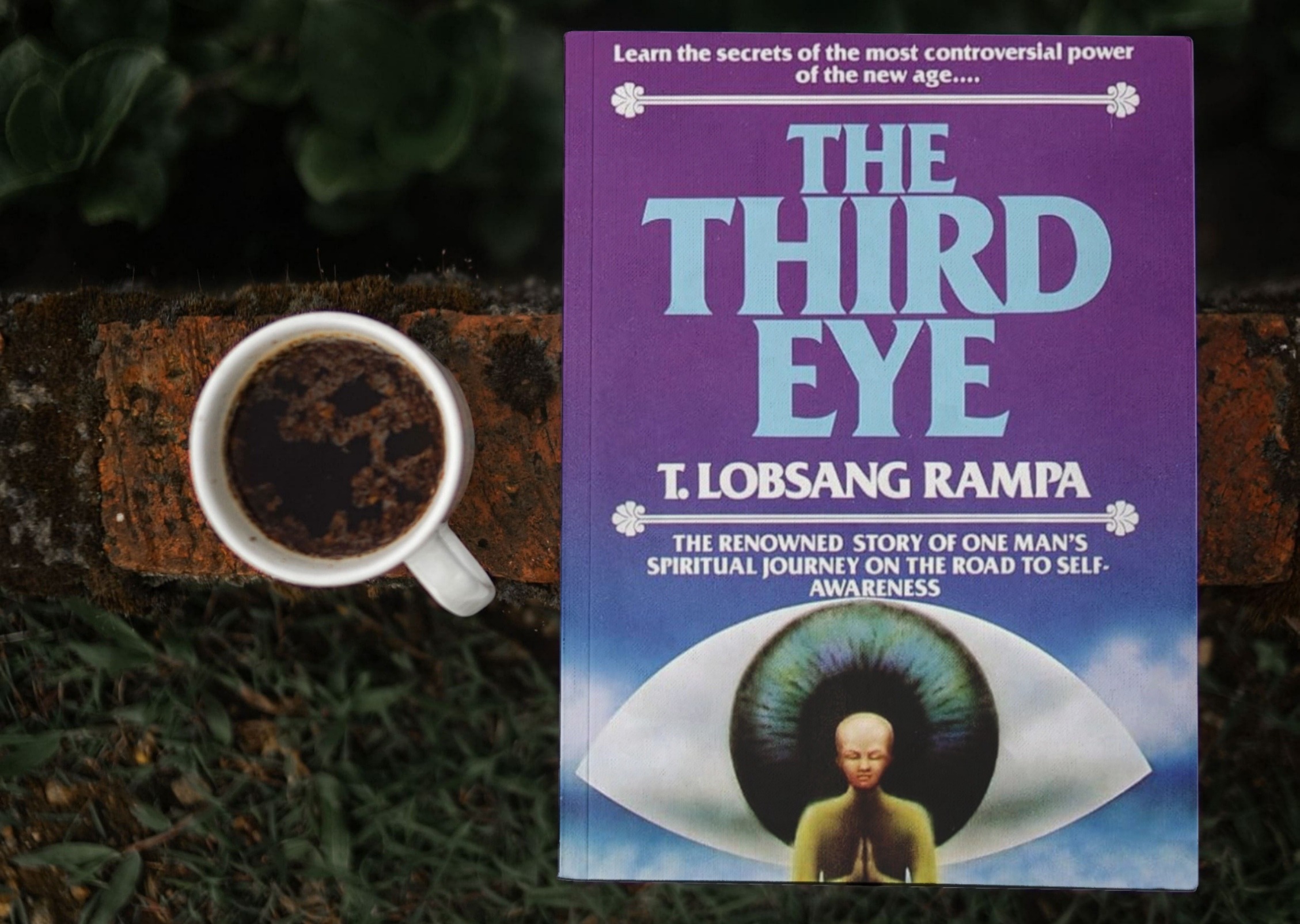
Young Lobsang Rampa, the son of an aristocrat, goes to a Tibetan monastery to comprehend spiritual mysteries. Rigorous trials and training within the monastery walls become his path to opening the “third eye”—allowing him to see auras, read minds, and travel beyond the physical world. He supposedly recounts his story in the autobiographical novel The Third Eye. Although the “autobiographical” nature of the narrative is disputed (as is the author’s name), the story is as interesting as any work of fiction.
Together with the protagonist, the reader is immersed in the enigmatic world of Tibetan culture, as Rampa masters the arts of astral flight, levitation, and healing. Encounters with ancient civilizations and secrets hidden behind monastery walls await. The author skillfully describes the life and culture of Tibet, as well as the limitless possibilities of a person who is ready to overcome any difficulties to achieve their goal. Rampa is confident that a natural inclination to astral travel exists in almost everyone, although this art has been lost in the West: people are simply convinced they were dreaming.
The author does not give specific techniques for astral travels, but warns of the following dangers:
1. You need a mentor and thorough preparation—otherwise, shock is possible.
2. People with weak hearts should not go out of their bodies. If someone enters the room and disturbs you, the shock could be fatal.
Have you read the book? Did you apply any of its advice to your practice?
Get all the latest news about lucid dreams via our channels on Telegram, Facebook, Twitter


