
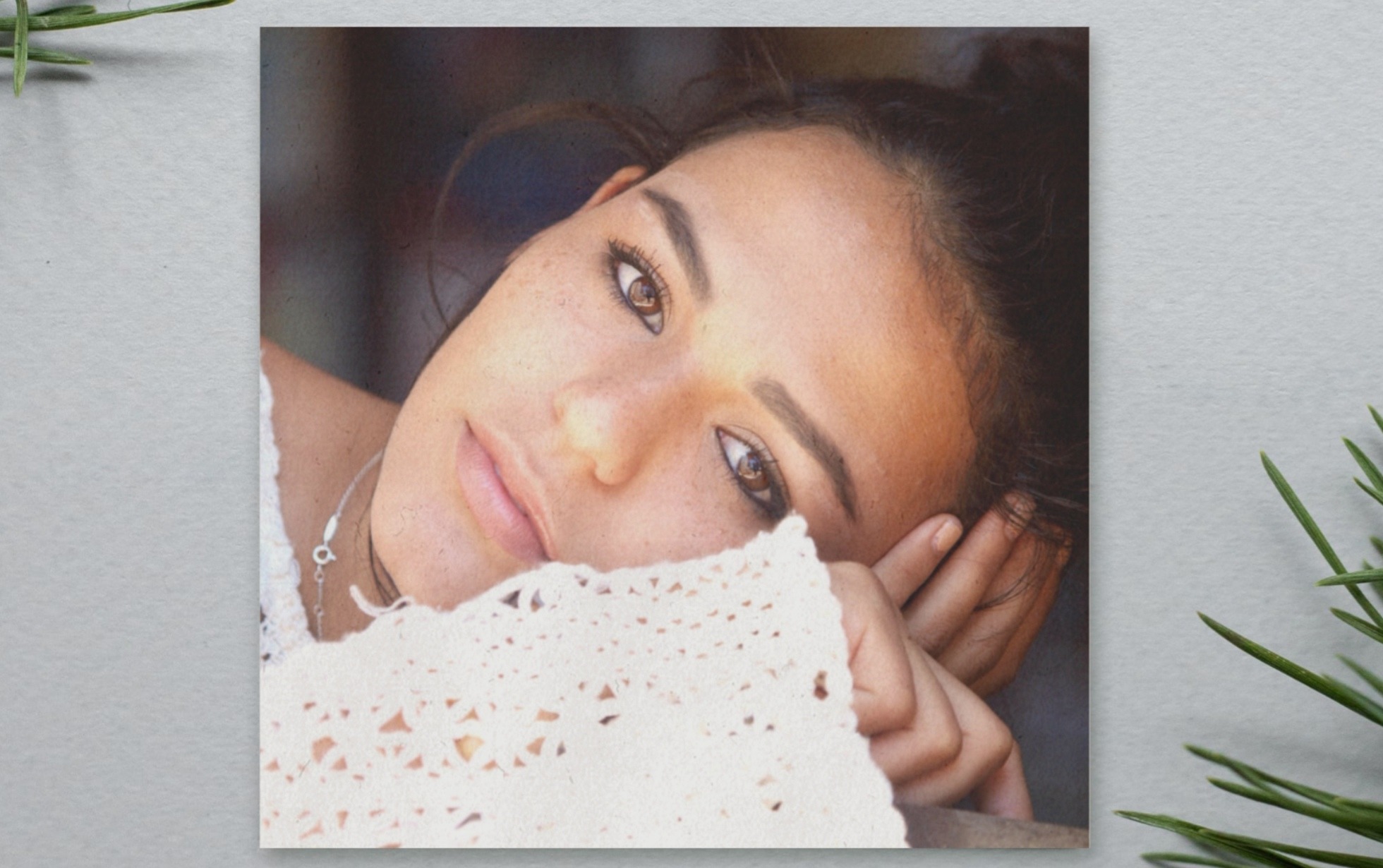
Amina Mara (Atlanta, USA)—host of The Dream World Podcast, co-author of the book Divine Dreamers, dream researcher, and lucid dream coach—has been practicing lucid dreaming for over 20 years. She becomes lucid around 2–3 times per week.
– What is the best technique?
– For me, there isn’t just one most powerful technique; the key is consistency and confidence. Each person must find what works for them. Personally, I alternate between MILD, dream journaling, waking life awareness paired with reality checks, and occasional WBTB. It’s a steady commitment to these habits and a genuine belief that lucidity is possible that create results over time.
– What is your favorite activity to do in the phase state?
– I love experimenting with dream communication and getting to know different dream characters. Sometimes, I attempt to exchange messages with other dreamers or ask my dream space for insights. Sometimes, I have fun and fly around with no profound agenda in mind. Sometimes I practice practical skills and study for exams. Other times, I seek guidance and advice on my life. One unforgettable moment was meeting a version of myself who handed me a book titled The Future Is Remembering, and as I read it, memories from lives I didn’t know I’d lived started flooding in. It felt like a download from a deeper intelligence.
– Is this astral projection for you, or is it something that happens in the brain?
– I believe the answer is more layered than either extreme. Michael Raduga defines “the phase” as a unifying term for lucid dreams, OBEs, false awakenings, and sleep paralysis, as long as they occur during REM sleep while the body is asleep. That framing helps ground the conversation in neurophysiology, but personally, I think it’s limiting to only consider REM-based experiences. While many lucid dreams do occur in REM, there’s growing research on conscious experiences outside of REM—during NREM, hypnagogia, or even through deep meditation and psychedelics. Some of my most profound dreams and OBEs didn’t begin in REM; they arose through meditation or liminal states of consciousness that don’t fit neatly into existing models. I’ve come to see the dream space as layered: some experiences are clearly brain-based memory processing, while others feel like dimensional travel, contact, or transpersonal communication. The phase state, to me, includes a spectrum of altered states where consciousness becomes aware of itself, whether that happens in REM or not. We need more research to truly understand the depth and diversity of these experiences. I believe there are different types of dreams, and not all of them originate from the same source. Some dreams are clearly the brain’s way of processing memories and emotions, very local and neurochemical. But others involve inter-dimensional travel, like I’ve stepped into a parallel reality or a different layer of consciousness. Some dreams carry messages that feel spiritual or ancestral, while others reflect deep subconscious material. There are levels to it. The phase state is a spectrum of experiences, and to reduce it to just being “in the brain” or “out of body” oversimplifies what I’ve come to see as a rich, layered ecosystem of consciousness.
Do you know any successful lucid dreamers? Please share their contacts! Or fill out our form.
Get all the latest news about lucid dreams via our channels on Telegram, Facebook, Twitter


