
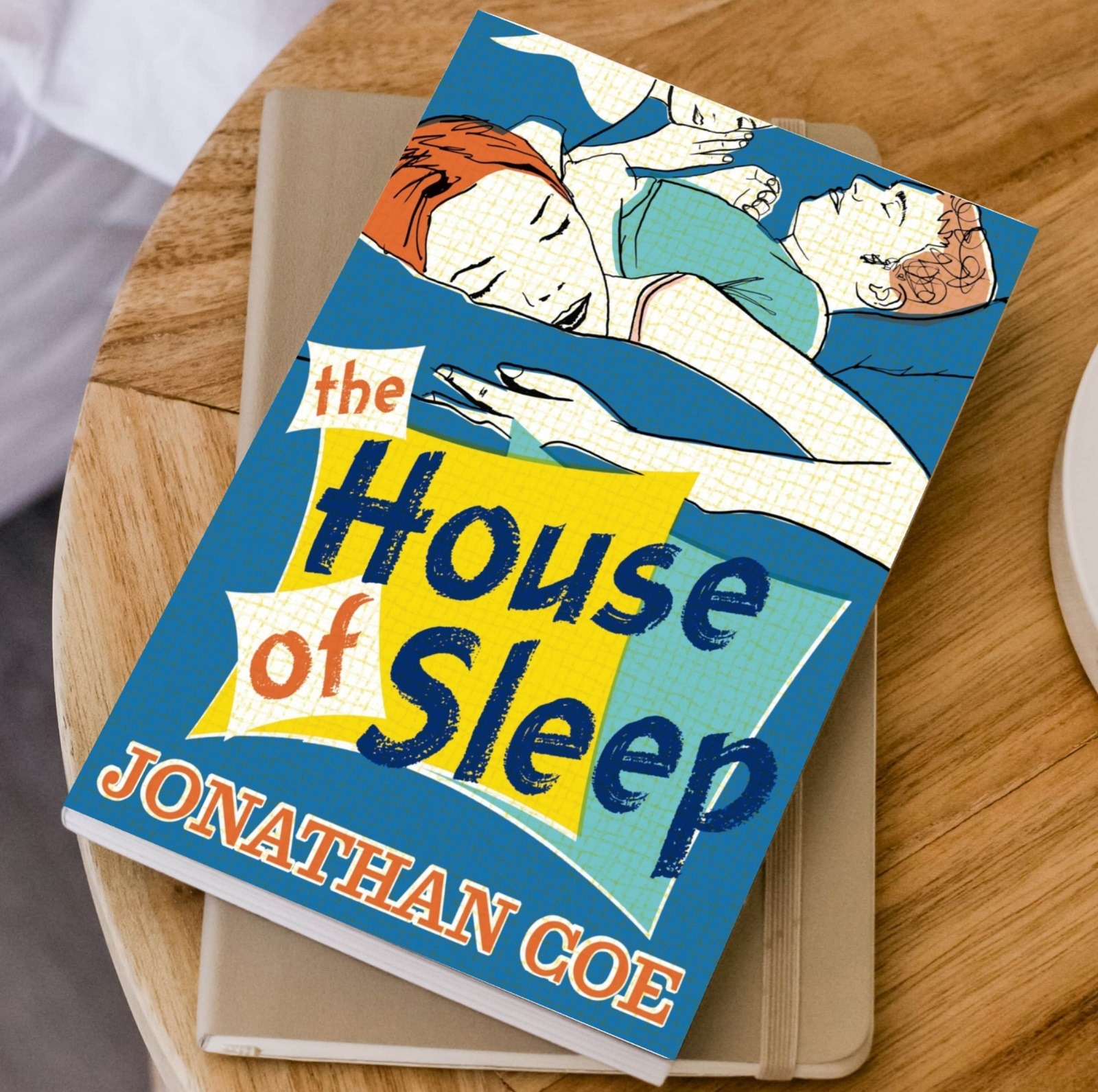
The House of Sleep by Jonathan Coe was originally conceived as a comic novel. Its characters are caricatured, and each has their own sleep-related struggles. Later, the author himself was surprised by how serious the story became. Yet, a unique tone remained, characterized by a contrast between light narration and deep themes. Lucid dreaming is never mentioned directly, as the book isn’t about people who can control their dreams but rather those stuck in a semi-lucid dream, slowly inching toward awakening.
Sarah, the central figure, suffers from narcolepsy—she literally falls into dreams while awake and doesn’t notice the transition. She can talk, move, and even write letters while in a state resembling a lucid dream. Although she has no control, vivid imagery and sensations remain. Sometimes, she sees scenes that later seem prophetic. She believes dreams are more important than waking life because they contain emotions she no longer feels while awake. From her point of view, dreaming is simply another way to live. Robert, too, is lost in fantasy—for him, sleep is a distorted world where he becomes a hero.
Dr. Gregory, on the other hand, literally fights dreams. He believes dreams cause suffering and must be suppressed. He experiments with ways to eliminate dreaming through medication and hypnosis. His approach is the opposite of traditional dreamwork: it isn’t an exploration of lucidity but a rejection of inner experience. In the end, each character faces the same questions in their own way: which matters more—dreams or reality? And how do you know which world you’re in?
Have you read the book? Did you see yourself in any of the characters?
Get all the latest news about lucid dreams via our channels on Telegram, Facebook, Twitter


